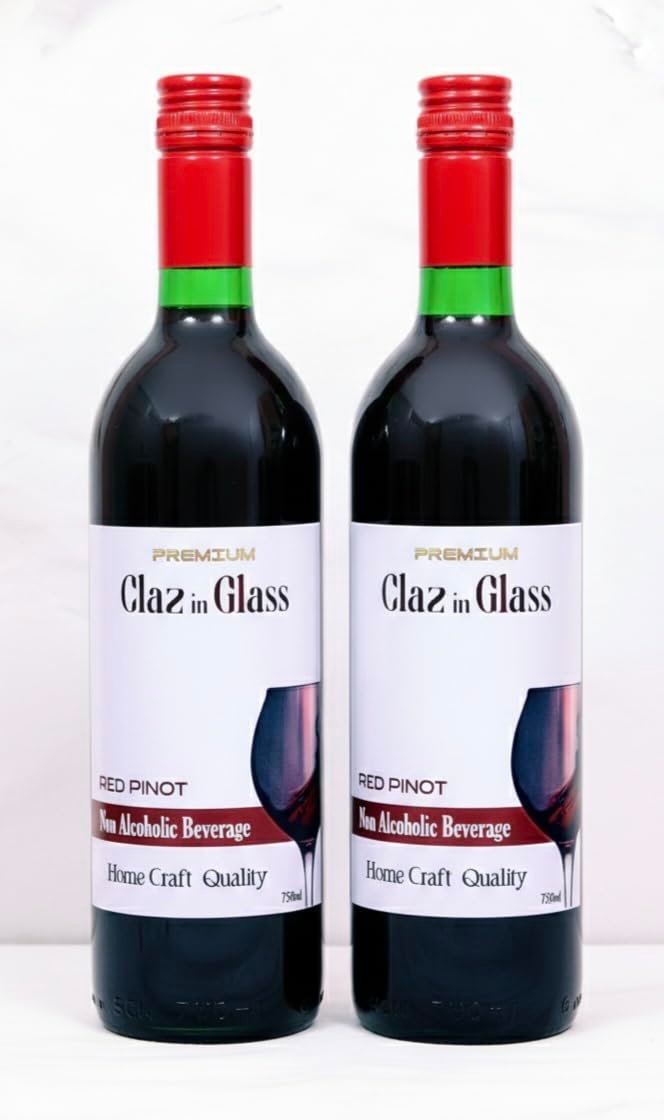
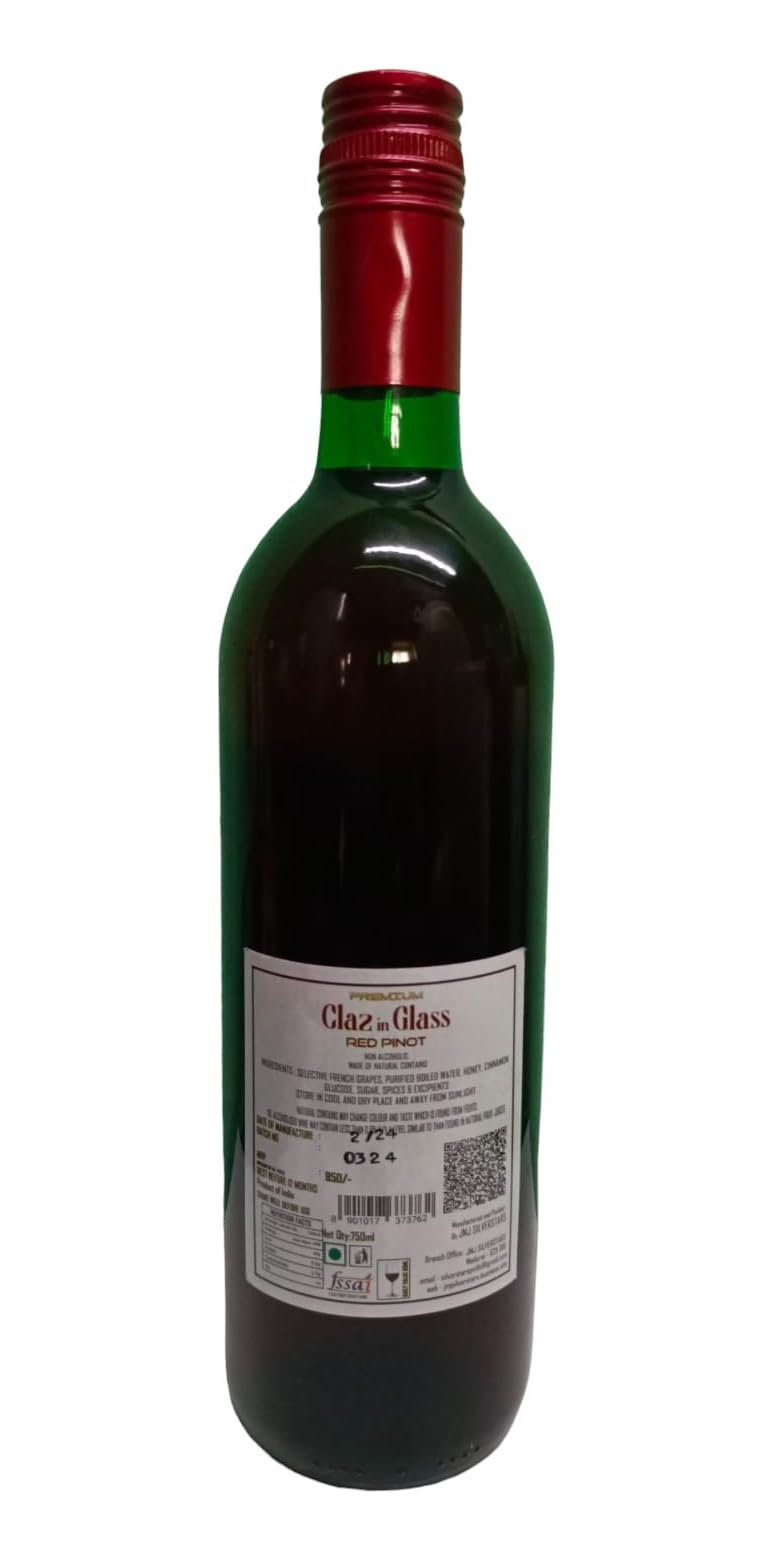
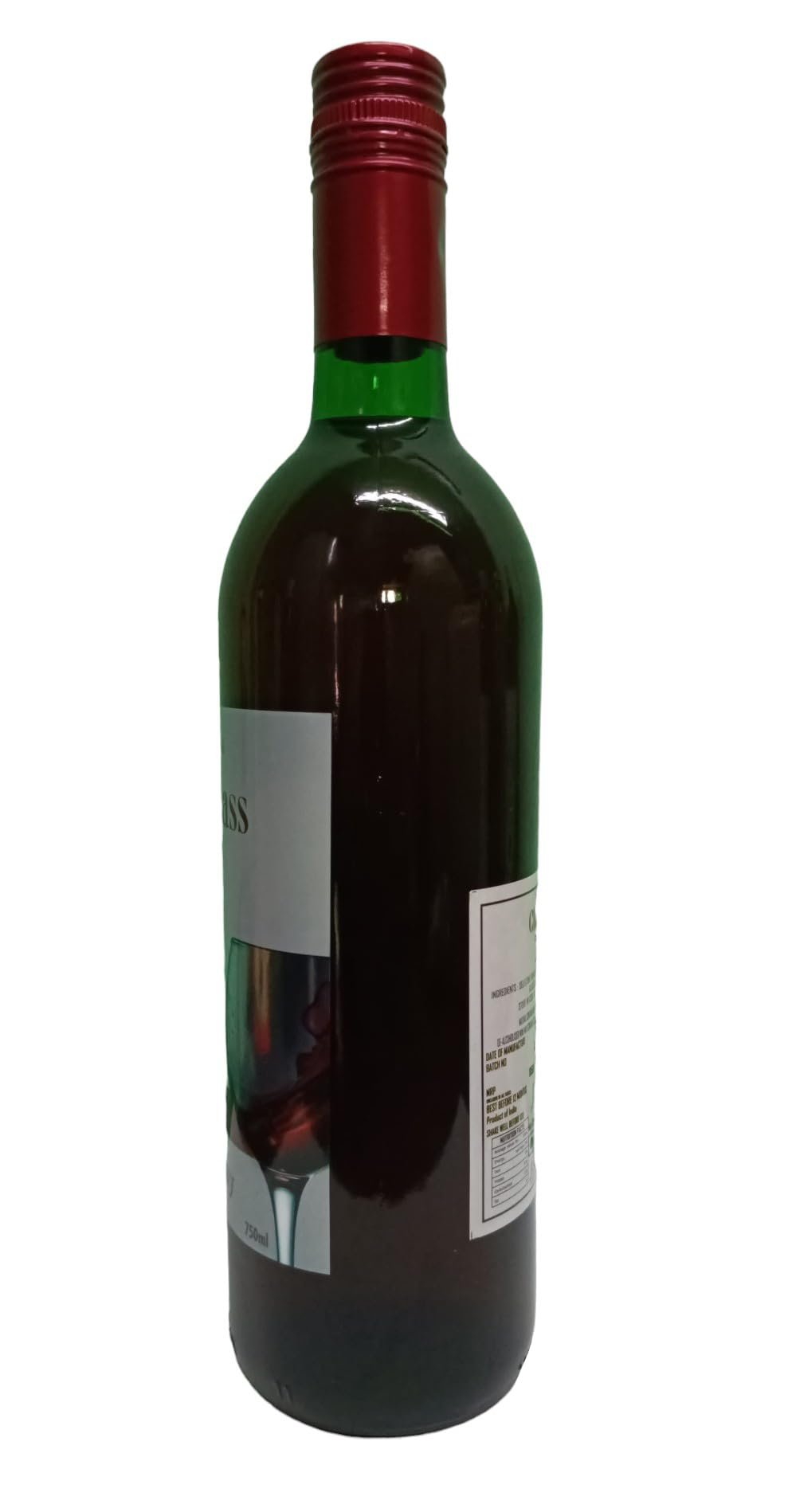

Description
Brand: Generic
Features:
- Aging: Red wine can be aged in various ways to enhance its flavor, aroma and complexity. Some red wines are aged in oak barrels, which impart flavors of vanilla, spice, and toast, while others are aged in stainless steel tanks or concrete vats to preserve the fruitiness and freshness of the wine.
- Health Benefits: Red wine contains antioxidants such as resveratrol, which have been associated with various health benefits, including heart health, anti-inflammatory properties, and potential protection against certain chronic diseases. Moderate consumption of red wine has also been linked to a reduced risk of cardiovascular disease and improved longevity.
- Serving Temperature: Red wine is typically served at slightly cooler temperatures than room temperature to enhance its flavors and aromas and provide a refreshing drinking experience. The ideal serving temperature for most red wines is between 60°F and 65°F (15°C and 18°C), although lighter-bodied reds may be served slightly cooler and fuller-bodied reds slightly warmer.
- Pairing Tips: When pairing red wine with food, it’s essential to consider the flavors, textures, and acidity of both the wine and the dish. In general, red wines with higher acidity pair well with acidic foods like tomatoes or citrus, while red wines with higher tannins complement richer and fattier foods like steak or cheese.
- Occasions: Red wine is often associated with socializing, celebration, and relaxation. It is commonly served at dinner parties, weddings, and other special occasions, where it is enjoyed alongside good food and lively conversation. Many people also enjoy a glass of red wine as a way to unwind and relax after a long day.
Package Dimensions: 0x0x0
Details: Red wine is a timeless and sophisticated non-alcoholic beverage that has been enjoyed for centuries by people all over the world. It is made from fermented dark-colored grapes, with the color ranging from deep purple to ruby red to even brownish hues, depending on the grape variety and production method. Red wine is renowned for its rich flavors, complex aromas, and ability to complement a wide range of cuisines and occasions. One of the most appealing aspects of red wine is its diverse range of flavors and aromas, which can vary greatly depending on factors such as grape variety, region of origin, winemaking techniques, and aging process. Common flavor profiles found in red wines include fruity notes such as cherry, plum and berry. Some red wines also exhibit floral, spicy or herbal characteristics, adding depth and complexity to the drinking experience. Red wines are typically classified into several broad categories based on their body, tannin levels and sweetness: light-bodied, medium-bodied and full-bodied. Light-bodied red wines, are known for their delicate flavors and silky texture, making them versatile and easy to drink. Medium-bodied red wines, offer a balance of fruitiness, acidity and tannins, making them suitable for a wide range of dishes. Full-bodied red wines, are bold and intense, with robust flavors and firm tannins that pair well with hearty meals and rich sauces. Red wine is also prized for its potential health benefits when consumed in moderation. It contains antioxidants such as resveratrol, which have been linked to various health benefits, including heart health, anti-inflammatory properties, and potential protection against certain chronic diseases. However, it’s important to note that excessive alcohol consumption can have negative health effects, so moderation is key.